


What Does Baking Soda Do to Gray Hair? (Truth Revealed)
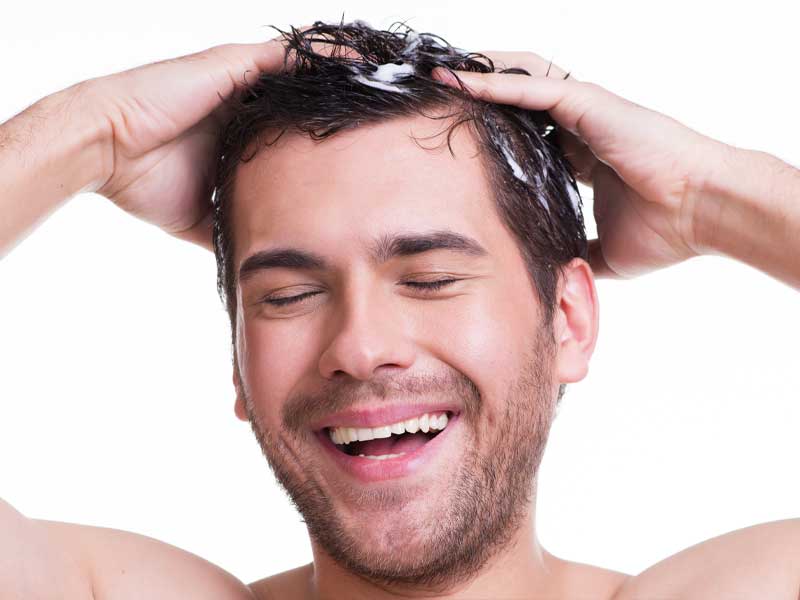
What does baking soda do to gray hair? Internet claims baking soda for gray hair prevents graying, lightens hair dye, cleans oily scalp, or even stops hair loss – but is this true? People search “baking soda on gray hair” (2282 impressions) hoping sodium bicarbonate solves alopecia without FUE hair transplant.
Reality: Baking soda (pH 9) damages scalp (pH 5.5) causing irritation, dryness, and weakened follicles. Karbonat saça zarar verir mi? Yes – no scientific proof for gray hair prevention, growth stimulation, or dandruff cure. Myths like baking soda and lemon to remove hair dye risk serious harm.
Discover baking soda hair risks vs benefits, why it doesn’t reverse gray hair, safe alternatives, and when professional hair restoration beats home remedies. Clinicana reveals the truth.
Does Baking Soda Really Benefit Gray Hair & Scalp?
What does baking soda do for gray hair? Internet claims list these baking soda for hair benefits:
- Prevents oily hair: Great cleanser removing excess scalp sebum
- Cleans & shines hair: Perfect shampoo substitute for soft, shiny hair
- Restores scalp pH: Removes dirt/grease to balance scalp
- Prevents dandruff: Controls sebum + restores skin pH
- Eliminates gray hair: Baking soda for gray hair supposedly prevents pigmentation loss
- Lightens hair dye: Baking soda to remove hair dye if over-colored
- Strengthens & grows hair: Stimulates follicles for thicker growth
- Straightens hair: Mix with water for smooth texture
Websites promote baking soda and lemon for hair lightening, baking soda shampoo recipes, even how to prevent gray hair with baking soda.
Truth: No scientific studies prove these claims – sodium bicarbonate (pH 9) actually damages scalp pH 5.5, causing irritation over temporary cleansing.
Is Washing Hair with Baking Soda Harmful? (pH 9 vs Scalp 5.5)
What’s wrong with washing hair with baking soda? Internet recipes promote sodium bicarbonate for hair wash mixed with vinegar or coconut oil as “natural” shampoo alternatives that end oily scalp better than chemicals.
Sites suggest how often to wash hair with baking soda (once weekly max) – but never use it.
Sodium bicarbonate is abrasive (household cleaner) that alters scalp pH (9 vs natural 5.5), damaging hair fibers. Risks: irritation, itching, worse for sensitive scalps or dry hair.
Many report hair damage from baking soda on hair “advice”.
Does Baking Soda Help Hair Grow or Reverse Gray Hair?
Does baking soda help hair grow faster? No – baking soda for hair loss is a myth. No home remedy stops pattern baldness; its corrosiveness causes scalp inflammation, not follicle stimulation.
Baking soda gray hair myth: Claims it eliminates graying via shampoo mixes fail – melanin (hair color pigment) is internal; external bicarbonate cannot influence it.
Baking soda and vinegar worsens irritation, making hair brittle/dull.
Does Baking Soda Damage Hair? (Scientific Proof)
Does baking soda damage hair? Yes – pH 9 destroys scalp’s natural 5.5 balance:
- Irritation + frizz from high alkalinity
- Removes protective oils causing dryness
- Damages hair fibers leading to breakage
- Studies confirm: pH 9+ products cause scalp issues
Modern shampoos outperform baking soda hair risks. For alopecia, Clinicana FUE transplants beat dangerous myths. Free consultation available.



Medical Review by: Prof. Dr. Soner Tatlıdede – September 2026 Quick Summary (TL;DR) Yes, physical or severe emotional stress directly triggers noticeable hair loss, primarily through a clinical condition known as Telogen Effluvium. When body stress spikes, elevated cortisol levels and capillary constriction force a large percentage of active growing hair follicles (Anagen) prematurely into a resting […]
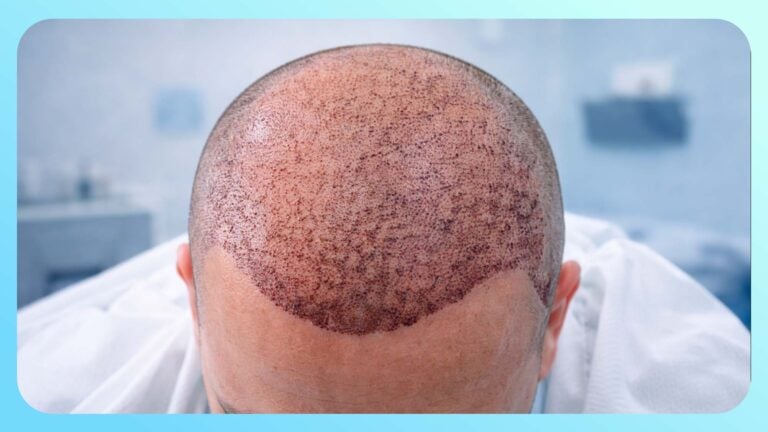
Medical Review by: Prof. Dr. Soner Tatlıdede – September 2026 Quick Summary (TL;DR) Common dandruff alone does not directly cause permanent male or female pattern baldness. Simple dandruff consists of dead skin flakes shed from an overproduction of scalp oil and Malassezia yeast growth. However, severe dandruff associated with seborrheic dermatitis causes acute scalp inflammation, follicle irritation, […]
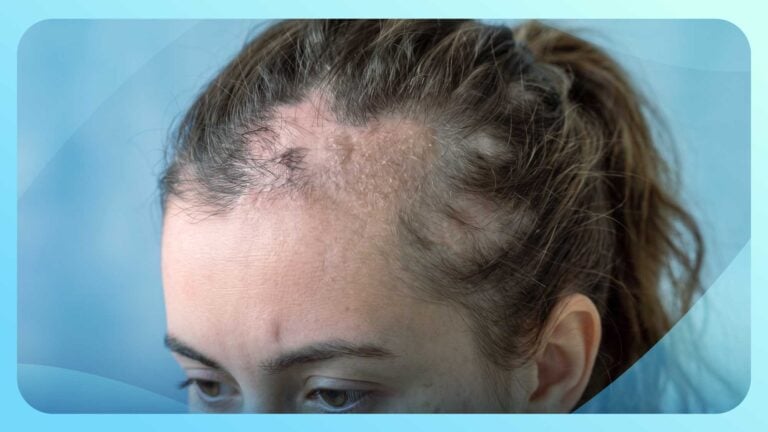
Medical Review by: Prof. Dr. Soner Tatlıdede – September 2026 Quick Summary: Medical Facts at a Glance Introduction: Clarifying the Medical Reality of “Hair Transfer” When individuals experience thinning hair, receding hairlines, or crown balding, their search for solutions often begins with terms like “hair transfer.” While the word transplant sounds strictly surgical, many patients […]


Thank you!
Your details have been successfully submitted. Thanks!