


Stem cell therapy for hair loss: is hair regrowth possible?
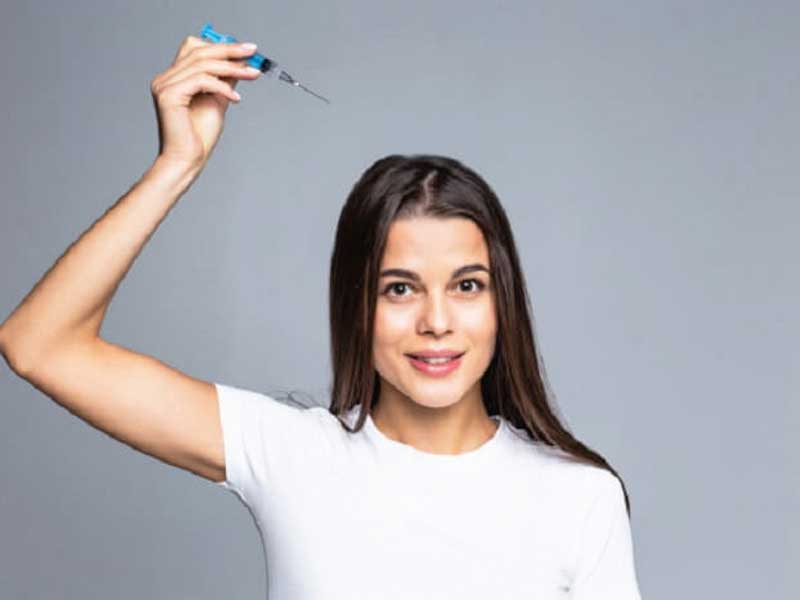
In an era where medical science is rapidly evolving, the dream of naturally regenerating lost hair is becoming a reality through the power of biotechnology.
Stem cell therapy for hair loss stands at the forefront of this revolution, offering a sophisticated, minimally invasive solution to stimulate weakened follicles and restore hair density from within.
While traditional treatments often focus on managing symptoms, many patients are now seeking regenerative options that work at a cellular level to trigger new growth cycles.
However, understanding how these ‘master cells’ are harvested and whether you are an ideal candidate can be complex given the vast amount of information available.
In this comprehensive guide, we will break down the science of hair follicle regeneration, compare stem cell therapy with other clinical treatments like PRP, and explain what you can realistically expect in terms of recovery and long-term results.
Can stem cells regrow hair?
The use of stem cells for hair is based on studies that have demonstrated the ability of stem cells to transform themselves into cells from any part of the body – regardless of where they are extracted from – and stimulate cell growth: this gives stem cells a great ability to repair and regenerate tissues.
These cells are found in high concentrations in solid tissues, and can be used both to regenerate tissues and to enhance healing… And yes, they also can regrow hair.
A treatment with hair stem cells is very beneficial to regenerate hair and stimulate its growth; these cells are especially useful to restore hair density in depopulated areas.
But, what is stem cell therapy for hair regrowth? Basically, the technique consists of extracting stem cells from patients’ own tissues, and then injecting them back into the area affected by alopecia.
To perform a stem cell therapy for hair restoration, the patient is given local anaesthesia and tissue is extracted using a micro-scalpel from the donor area; usually from the back of the head, although stem cells can also be obtained from other areas of the body, such as the abdomen.
These 2 to 3 millimetres tissue samples, which include skin cells, fat cells and connective tissue, and of course stem cells, are then placed in a device that separates and filters solid tissues.
From this process, a cell concentrate is obtained in the form of a very fine powder, that is injected into the areas of the scalp to be treated through several micro injections, each one containing up to 150,000 cells:
it is this concentrate that includes stem cells that will regenerate the scalp and stimulate the growth of follicles.
How long does stem cell therapy last?
How long does stem cell therapy last? All the stem cell therapy process is carried out in a single session that lasts between an hour and an hour and a half,
and at the end of the stem cells treatment the patient can return home or work, and carry out a normal life with practically no discomfort or visible signs of the stem cells therapy.
The first results of the treatment usually appear after two weeks, although it will take about a month to see promising effects: existing hair becomes reinvigorated and increases its volume and thickness;
hair loss is slowed; and new hair growth from follicles that were ceasing to produce hair is stimulated.
Although results can already be seen after a single session, depending on the alopecia suffered by the patient and its evolution, it is recommended to carry out new sessions of stem cell injections in the areas affected by hair loss, normally every two months.
However, it is important to underline that this “transplantation” technique of stem cells for hair is not a hair transplant, which is a more complex surgery where follicles are extracted and implanted, not stem cells.
Nor are we talking about stem cell hair transplant or about hair cloning: a technique that is still being investigated, although it is true that hair cloning, when it becomes possible in the future, will also use stem cells.
What are the side effects of stem cell therapy?
One of the most important advantages of using stem cells to repair hair, is precisely the short times for intervention and recovery: the process takes a total time of just over an hour, and once finished,
stem cell therapy for hair loss side effects are insignificant: perhaps some little discomfort in the extraction area during the very first days, but no pain, no nausea, no vomiting… The patient can return to normal daily activity without any sequel.
Not to mention that it is possible to observe the first results just 15 days after the session, although later it may be necessary to carry out additional sessions.
Besides, it is a technique that can be applied to both men and women, and that can be combined with other treatments or products against alopecia, such as hair loss shampoos, biotin supplements, minoxidil, or even Platelet Rich Plasma (PRP).
However, it is important to note that this treatment is not valid for any patient; this is because it is not effective in those who suffer from a very advanced degree of alopecia, generating areas with very low capillary density or with dead follicles.
It is therefore a technique that, at least for now, only works as a complementary treatment and to restore hair density in slightly depopulated areas.
Stem cell therapy for hair loss has great potential for the future; but for now, the best solution for patients with an advanced degree of alopecia is hair transplant.
Clinicana is the best hair transplant clinic in Turkey, we are specialists in all types of hair treatments: request your free consultation and we will advise you on the best solution for you. Ask us for a free, no obligation estimate. You can still get your hair back!


Medical Review by: Prof. Dr. Soner Tatlıdede – September 2026 Quick Summary (TL;DR) Telogen Effluvium (TE) is a non-scarring, temporary form of hair loss characterized by sudden, diffuse shedding across the entire scalp. It occurs when an acute physical or emotional shock, hormonal shift, severe nutritional deficit, or major systemic illness forces a large percentage of active […]
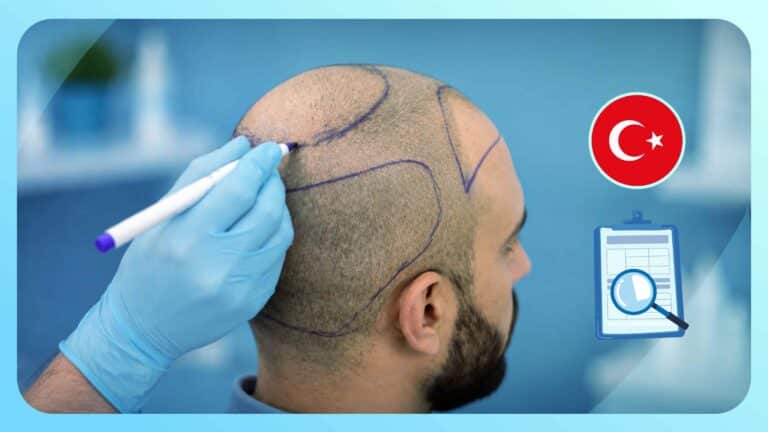
Medical Review by: Prof. Dr. Soner Tatlıdede – September 2026 Quick Summary (TL;DR) Hair types are globally categorized into four main classes—Type 1 (Straight), Type 2 (Wavy), Type 3 (Curly), and Type 4 (Coily/Afro-textured)—determined by the biological shape and exit angle of the hair follicle beneath the scalp surface. While straight hair grows from round, perpendicular follicles, […]

Medical Review by: Prof. Dr. Soner Tatlıdede – September 2026 Quick Summary (TL;DR) Yes, physical or severe emotional stress directly triggers noticeable hair loss, primarily through a clinical condition known as Telogen Effluvium. When body stress spikes, elevated cortisol levels and capillary constriction force a large percentage of active growing hair follicles (Anagen) prematurely into a resting […]


Thank you!
Your details have been successfully submitted. Thanks!