


Seasonal Hair Loss: Is it Just a Phase or the Start of Balding?

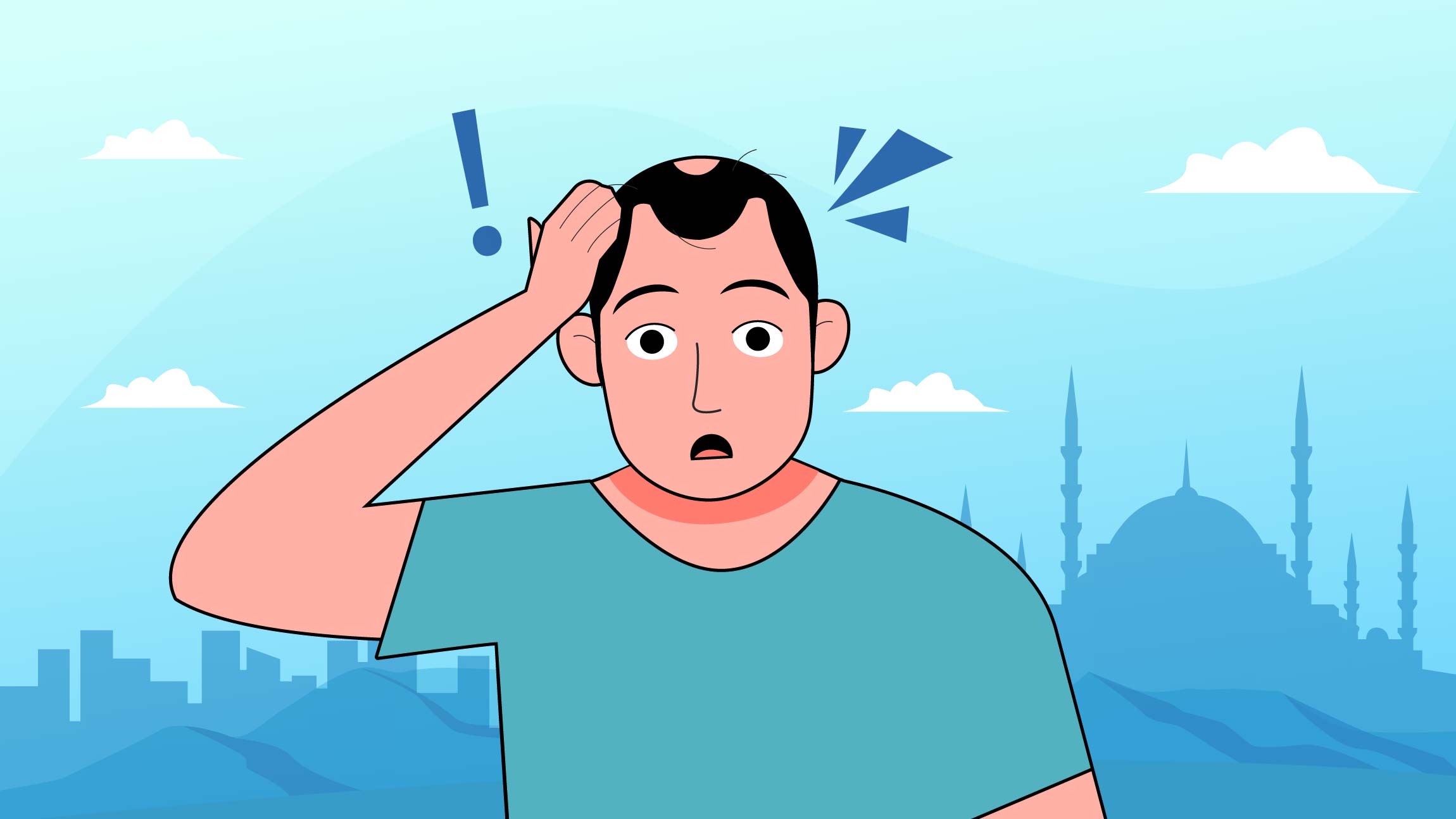
Hair loss is a journey influenced by many factors, and “Seasonal Hair Loss” is one of the most common concerns we hear at Clinicana.
Many people notice a significant increase in hair shedding during transitional months, particularly in autumn and spring.
While losing 100 to 120 hairs daily is part of the natural hair growth cycle, seeing a sudden spike can be alarming.
If you are currently researching the cost of a hair transplant in Turkey because of this shedding, take a breath. Seasonal thinning is often a temporary physiological response.
However, the real strategic challenge is knowing when this “phase” is actually the onset of Androgenetic Alopecia (permanent balding).
Seasonal Hair Loss: Myth or Reality?
While some skeptics call it an urban legend, biological evidence suggests otherwise. Mammals, including humans, have evolved to adapt to environmental changes such as temperature, humidity, and UV radiation levels.
During seasonal shifts, a higher percentage of hair follicles may enter the Telogen phase (the resting/shedding phase) simultaneously.
This is the body’s way of “resetting” for the upcoming climate. While this shedding is natural, it remains minimal compared to chronic factors such as:
- Genetics: The primary driver of male and female pattern baldness.
- Lifestyle: Chronic stress, poor diet, and lack of sleep.
- Aggressive Practices: Using harsh chemicals or excessive heat.
How to Distinguish Seasonal Shedding from Alopecia?
At Clinicana, we believe an informed patient is a confident one. Seasonal hair loss is typically limited to 1 or 2 months. If your hair density remains stable after this period, it was likely just a seasonal transition.
When should you seek a professional diagnosis?
- Loss of Overall Density: If you notice your scalp becoming more visible under light.
- Follicle Miniaturization: If new hair grows back thinner, shorter, and weaker than before.
- Localized Thinning: Seasonal loss is usually diffuse (all over). If thinning is concentrated on the crown or the receding hairline, it is likely a permanent condition.
- Root Health: In cases of illness or nutrient deficiency, hair often appears dull and “lifeless” right from the root.
The Seasonal Cycle: Which Months are the Hardest?
The rate of hair regeneration varies throughout the year:
- Autumn (The Peak): Often referred to as “Seasonal Effluvium.” The body sheds hair that was damaged by summer UV rays to prepare for winter, and this is frequently more noticeable in women.
- Spring: A secondary regeneration period where old hair falls out to make room for new, healthy growth.
- Summer: High temperatures and salt water can weaken the hair shaft, leading to breakage toward the end of the season.
- Winter: Typically a recovery period for the scalp, unless extreme dryness affects the skin’s health.
Clinicana’s Strategic Protocol: 5 Ways to Protect Your Hair
To minimize seasonal impact and maintain your hair’s “Topical Authority,” we recommend the following professional steps:
- Chemical Balance: Use medical-grade, sulfate-free shampoos. Pro Tip: Never brush your hair while it is soaking wet, as the keratin bonds are at their most vulnerable.
- Nutritional Support: Invest in high-quality Biotin, Zinc, and Vitamin D supplements. These are the “building blocks” of a resilient hair follicle.
- Protein-Rich Diet: Hair is primarily composed of Keratin. A protein-deficient diet leads to fragile hair that sheds prematurely.
- Scalp Stimulation: Regular massages with essential oils increase blood flow, ensuring that oxygen and nutrients reach the follicles efficiently.
- Hydration: Maintaining internal hydration levels is crucial for scalp elasticity and preventing hair shaft brittleness.
Beyond Surgery: Clinicana’s Advanced Solutions
We are more than just a hair transplant center in Istanbul; we are your partners in long-term hair health. Our clinic offers a range of non-surgical treatments to combat thinning:
- PRP & Mesotherapy: These treatments use growth factors to “wake up” dormant follicles and strengthen existing ones—perfect for those experiencing heavy seasonal loss.
- Digital Scalp Analysis: Our specialists use advanced diagnostic tools to determine the exact cause of your shedding.
- Expert Consultation: We offer a free strategic online consultation to evaluate your case and provide a personalized action plan.
If you notice excessive shedding—especially if it affects your eyebrows or eyelashes—or if you experience itching and inflammation, it is time to consult a specialist.
Trust Clinicana’s expertise. Trust the leaders of hair restoration in Turkey.



In 2026, the term “All‑Inclusive” has become the standard in Turkey’s medical tourism market. To most patients, it suggests a stress‑free journey where surgery, hotel, and transportation are bundled into one fixed price. But beneath this familiar label lies a massive disparity in quality. What many patients don’t realize is that the anatomy of the […]
A hair transplant in 2026 is more than a cosmetic procedure—it is a medical intervention that permanently reshapes a person’s appearance, confidence, and long‑term self‑image. As global medical tourism continues to expand, especially in Turkey, patients now have access to a wide range of clinics offering dramatically different levels of quality, safety, and medical oversight. […]
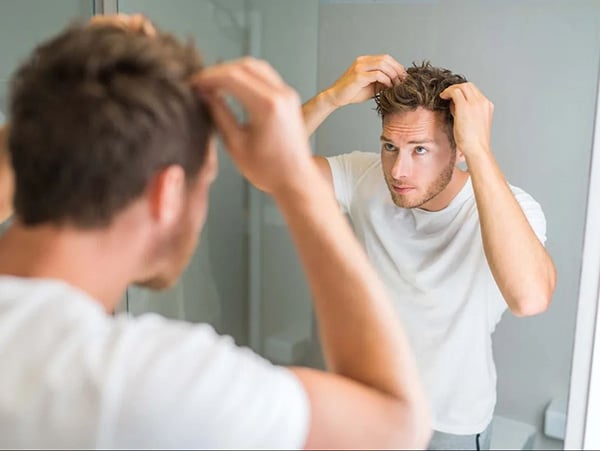
For anyone dedicated to the gym, creatine is often the “gold standard” for boosting strength and muscle mass. But for many men, a troubling question looms over every scoop of powder: “Will this muscle-builder cost me my hair?” At Clinicana, we frequently meet patients who are at the peak of their physical fitness but are […]


Thank you!
Your details have been successfully submitted. Thanks!