


Diabetes and hair loss: how are they connected?

Can diabetes cause hair loss? Well, diabetes and hair loss are related, in the sense that diabetes, which is a chronic disease, affects a person’s life. Dealing with diabetes and its impacts becomes a daily routine by time; but if it starts affecting the person’s physical appearance, it will become more of concern.
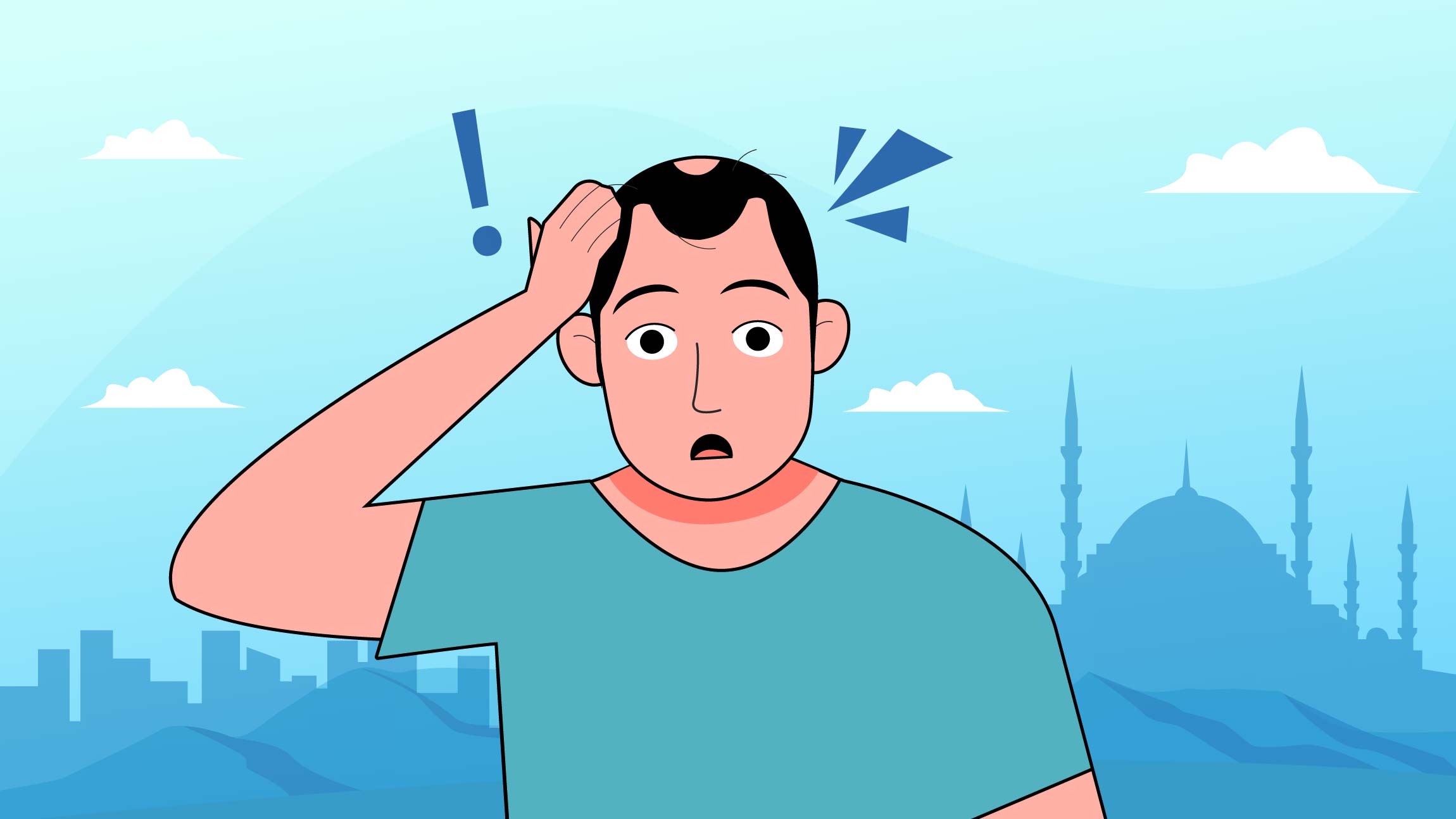
For example, do you know that balding or hair loss is a symptom of diabetes? This is a clear connection between diabetes and hair loss. Losing a small amount of hair daily is very normal, but when this amount gets bigger we start calling it “hair loss” and surely you will need to start thinking of a treatment, like a FUE hair transplant.
For most people, hair loss develops before diagnosing diabetes; in most cases, if hair loss was accompanied by other symptoms as frequent urination, mouth drought and feelings of thirst, low energy levels and sight problems, the underlying cause may be high blood sugar levels. But what are the reasons that tie diabetes and hair loss? Let´s discover it in the next lines.
Poor blood circulation
One of the ways that diabetes causes hair loss is as a result of high blood glucose effect on circulatory system. Diabetes patients have higher sugar blood levels than normal. Sugar or glucose molecules can react with red blood cells resulting in glycated hemoglobin.
Hemoglobin is an important protein in red blood cells, but the new resulting molecule gives red blood cells abnormal shape. The new red cells are not flexible enough to pass through the little blood vessels (capillaries) and they end up blocking them. If this circulatory problem happens in hair bulbs capillaries, they will die and cause hair loss.
Hormonal changes and imbalances:
Another way of causing hair loss in diabetes is endocrine system imbalances. Endocrine glands produce several hormones that control the body tissues. For example, the endocrine system releases androgens that control hair bulbs growth.
Unbalanced diabetes (because of the high sugar blood levels) deregulate the endocrine system, making androgen abnormalities causing the hair bulbs to stay at resting phase. As a result, hair loss will worsen by time. Luckily, if diabetes is controlled (with diet and medications) these hormones will be back to normal again, and hair growth will restart.

Auto-immunity:
Diabetes can have indirect effect on hair loss through auto immunity disorders. Autoimmunity disorders happen when immunity system responds against healthy tissues and treat them as an antigen. In case of diabetes, antibodies react against pancreas B cells (producers of insulin) and decrease insulin production.
Alopecia areata is another autoimmune disorder in which immune cells attack hair bulbs and cause hair loss and baldness. People with autoimmune disorders (like diabetes) have higher chances to get other immunity problems: as a result, patients with a diabetes history are more likely to have alopecia areata.
If I have diabetes, what can I do for hair loss prevention?
Commitment to healthy diets special for diabetics and practicing sports regularly, helps lowering glucose blood levels, and consequently your hair will be healthier. As a matter of fact, adapting to diabetes is the best solution: you can live a normal and healthy life and avoid diabetes side-effects by following a healthy diet and lifestyle.
Experts at Clinicana advise dealing with diabetes positively and staying away from stress, as the best solution for fears about diabetes and hair loss. However, if you have diabetes and you are thinking of a hair loss treatment, our doctors can give you the best assessment and solutions for your alopecia problems after a free consultation.



In 2026, the term “All‑Inclusive” has become the standard in Turkey’s medical tourism market. To most patients, it suggests a stress‑free journey where surgery, hotel, and transportation are bundled into one fixed price. But beneath this familiar label lies a massive disparity in quality. What many patients don’t realize is that the anatomy of the […]
A hair transplant in 2026 is more than a cosmetic procedure—it is a medical intervention that permanently reshapes a person’s appearance, confidence, and long‑term self‑image. As global medical tourism continues to expand, especially in Turkey, patients now have access to a wide range of clinics offering dramatically different levels of quality, safety, and medical oversight. […]

For anyone dedicated to the gym, creatine is often the “gold standard” for boosting strength and muscle mass. But for many men, a troubling question looms over every scoop of powder: “Will this muscle-builder cost me my hair?” At Clinicana, we frequently meet patients who are at the peak of their physical fitness but are […]


Thank you!
Your details have been successfully submitted. Thanks!