


Anemia and hair loss: causes and solutions
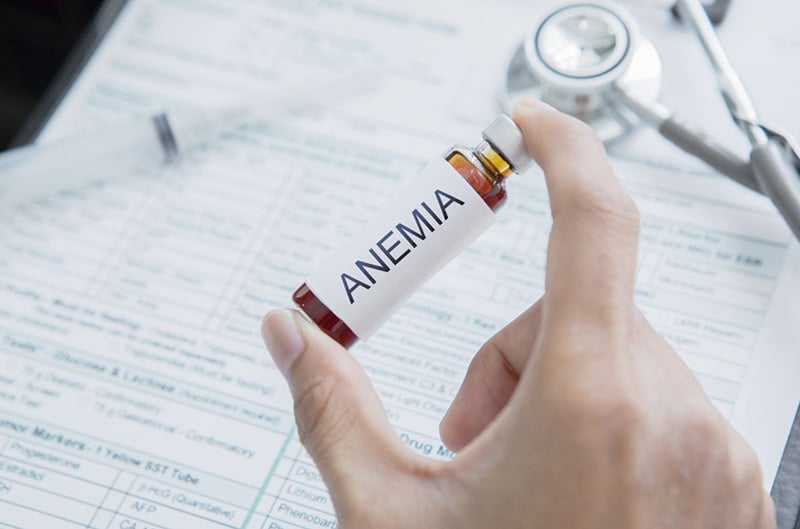
Living with the fatigue and weakness caused by anemia is challenging enough, but noticing significant hair thinning or shedding can add a layer of deep concern and frustration.
The good news is that hair loss caused by nutritional deficiencies, specifically iron, is often reversible once the underlying health issue is properly addressed.
Many people overlook the vital role that iron plays in carrying oxygen to the cells that stimulate hair growth.
When your body is in a state of anemia, it prioritizes essential organs over ‘non-essential’ functions like maintaining a full head of hair.
In this detailed guide, we will explore the biological link between low ferritin levels and the hair growth cycle, the most common symptoms to look for, and the medical steps you can take to stop the shedding and regrow your hair through diet, supplements, and clinical care.
What is anemia? What causes it?
Anemia occurs when -for various reasons- haemoglobin levels in the blood become reduced; haemoglobin is a protein composed of iron whose function is to transport oxygen through the red blood cells from lungs to tissues; then,
the same haemoglobin makes the reverse way, transporting carbon dioxide that is formed after consuming oxygen from tissues to lungs, before being expelled.
What happens if haemoglobin levels drop? Well, then anemia occurs.
Most common symptoms of anemia are pale skin, continuous tiredness, and weakness in tissues such as nails; it can also cause dizziness and headaches, arrhythmias, and breath difficulty (we breathe air but we still feel a lack of it, since oxygen cannot get transported to tissues).
The most common type of anemia is iron deficiency anemia, caused by a decrease in the level of iron in our body.
Keep in mind that haemoglobin contains 70% of the iron in our body, so it is easy to understand that if we do not have enough iron, this important protein will lose its effectiveness.
Some diseases, an unbalanced diet, pregnancy, or blood loss caused by wounds or menstruation, can be a cause of anemia. The question is: is there a relationship between iron deficiency anemia and hair loss? Let’s see it below.
Can anemia cause hair loss?
Does anemia cause hair loss? Certainly there can be a link between anaemia and hair loss; of course hair shedding is not always caused by iron deficiency, but one of the symptoms of anemia can be hair loss, since hair becomes weak and can start to fall out;
this fall usually occurs in random areas of the scalp, where thinner hair will appear, while the rest of hair will have a dull and dry look.
If the problem persists and a proper treatment is not carried out, it can degenerate into a severe hair loss; the reason is that when haemoglobin levels drop -normally due to low iron levels- the amount of oxygen reaching hair bulbs decreases.
This oxygen is necessary for bulb proper functioning: therefore as a consequence, hair ends up losing strength, and finally dies and falls out.
So, answering the question: Will anemia cause hair loss? In severe cases it might, especially if anemia is caused by iron deficiency; however, other types of anemia such as pernicious anemia rarely includes among its symptoms hair loss.
Will hair loss from anemia grow back?
If hair loss or other symptoms make us suspect that we are experiencing an anemia, you should pay a visit to your doctor, who after a blood test will determine your level of hemoglobin and iron in blood.
If tests conclude that you have anaemia due to iron deficiency, doctor usually will prescribe iron supplements. Hair normally should regrow once the iron deficiency is over; however, hair can take several months to grow back again, and hair loss recovery after anemia is not guaranteed.
One way to avoid this is prevent an iron deficiency in our body through consuming foods rich in iron, such as red meat, liver, eggs, legumes, spinach, and so on.
Our recommendation is to combine this food intake with other foods rich in vitamin C -citrus, kiwis, peppers, broccoli…- since this vitamin helps to increase iron absorption by our body.
If we have had a severe hair loss due to anemia, there are treatments to stop hair loss and strengthen existing hair, such as minoxidil or platelet-rich plasma (PRP); however, normally these treatments won’t get hair to grow back again.
Therefore, when hair loss regrowth after anemia is not possible or damages to hair are simply too great, a hair transplant could be necessary.
If you suffer from anemia and hair loss, at Clinicana we are specialists in all hair treatments. We have an experienced medical team and very modern facilities, in addition to all the certifications to guarantee you a 100% safe transplant.
Please, take a look at the reviews on hair transplant in Turkey left by our patients, and discover why we are the best-rated clinic in Istanbul. Ask for your free consultation now!


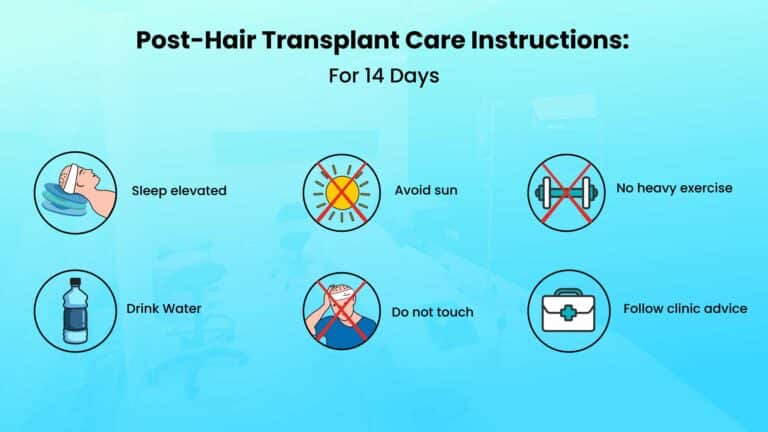
By Prof. Dr. Soner Tatlıdede · August 2026 Post-Op Field Checklist Time Phase Primary Clinical Objective Washing & Care Protocol Recommended Sleep Position Activities & Essentials Days 1 – 3 Protection & graft stabilization No washing allowed (spray moisturizing saline spray only) Sleep on back at a 45° incline with neck pillow Complete rest, avoid bending forward, […]

By Prof. Dr. Soner Tatlıdede · June 2026 TL;DR: Why does my head sweat so much? Excessive head sweating (craniofacial hyperhidrosis) affects 3% of the population and occurs when sweat glands are overactive, triggered by stress, heat, certain foods, or medical conditions. Treatment options include proper scalp care, dietary changes, Botox injections, and prescription medications. […]

By Prof. Dr. Soner Tatlıdede • July 2026 Determining the best age for a hair transplant is one of the most frequent questions raised by individuals experiencing progressive hair thinning or androgenetic alopecia. In the medical world, answering this question goes far beyond a patient’s emotional desire to restore density and youthfulness; it relies on a deep […]


Thank you!
Your details have been successfully submitted. Thanks!